Energypreneurs Advisory Pty Ltd · Melbourne
Proven at scale in Australia. Financed and built across Asia.
The technology to tackle climate change is already here. It does not need inventing — it needs scaling. Australia has already solved rooftop solar, home batteries and household electric vehicle uptake, better than anywhere in the world.
We take those proven models and move them into developing and emerging markets: technology transfer, and leapfrogging. What makes that possible is knowing both ends of the journey — the Australian market that proved it, and the development banks and Asian counterparties that have to fund and approve it.
Bangladesh · the Philippines · the Kyrgyz Republic · Turkmenistan · the Pacific · Australia
What Australia has already proved
Sources: Clean Energy Council and Clean Energy Regulator, rooftop solar installations and capacity to end 2025; Cheaper Home Batteries Program, Department of Climate Change, Energy, the Environment and Water, to August 2026. None of this required new technology. It required the right incentive design, a financing structure households could actually use, and an installer trade that knew what it was doing. Those are transferable. That is the work.
What we move, and why it does not move by itself
Three technologies are mature, cheap and widely deployed in Australia, and largely absent from the markets that would benefit most. The gap is not technical.
Rooftop and balcony solar
Australia reached four million rooftops through incentive design and a competent installer trade, not new physics. In most developing markets a small system goes further still: outside Central Asia there is little heating load, air conditioning is not yet widespread, and per capita consumption is low — so sunlight covers a far larger share of what a household actually uses. Balcony systems, still not permitted in Australia, are how you reach the tenant who has no roof.
Home batteries
In Australia storage shifts cheap midday solar into the evening peak. Across South and Southeast Asia the first job is keeping the lights on at all — which changes the value case, the sizing and the way a household will pay for it.
Electric vehicles
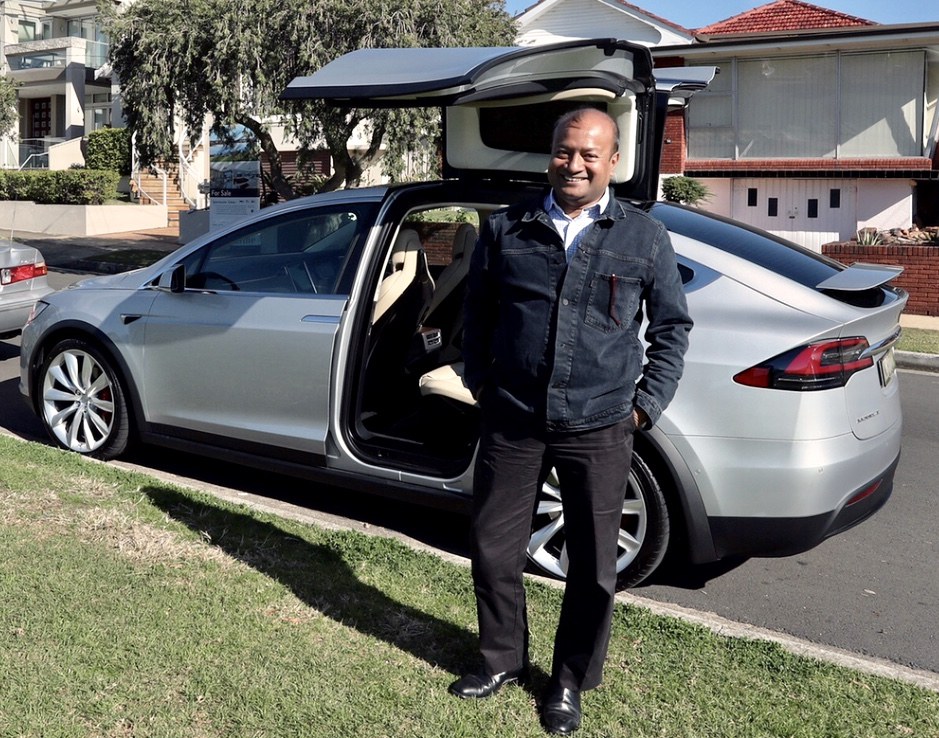
Australian uptake is running on new imported cars. Asia's fleets are two- and three-wheelers, jeepneys and boats already on the road, owned by drivers who cannot buy new. Conversion, not replacement, is what transfers.
We have been watching this transfer for a long time
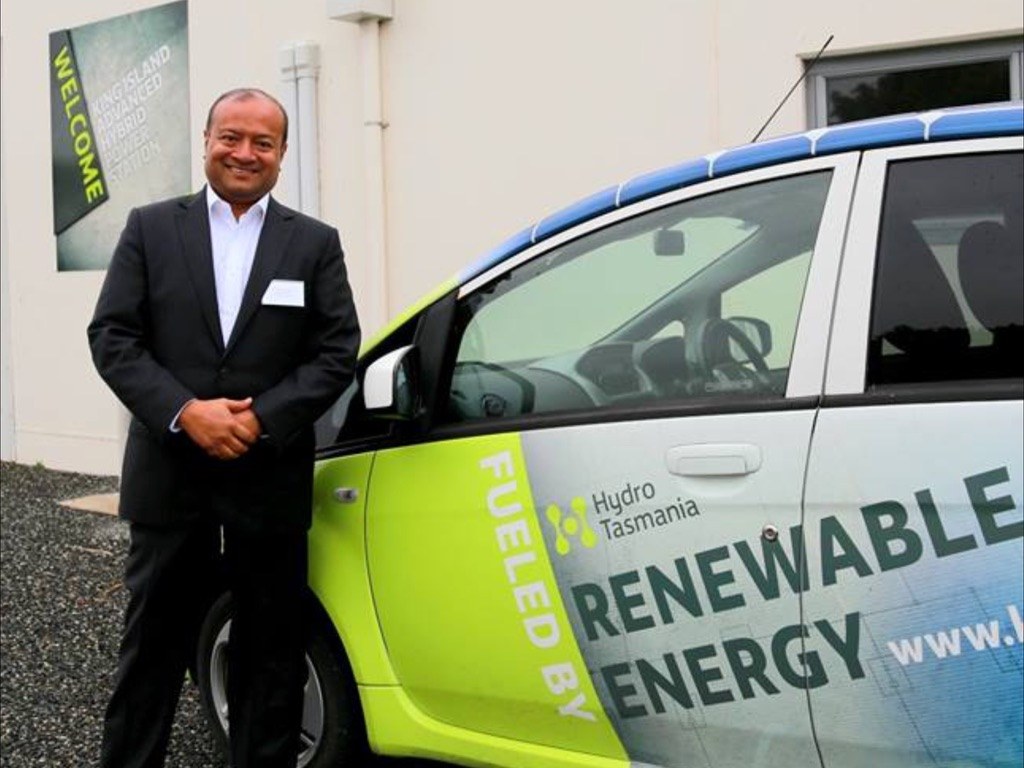
Australia's household energy transition did not look inevitable in 2018. Rooftop solar was established but batteries were expensive and electric vehicles were a rounding error in new car sales. What changed was not the technology — it was incentive design, financing that households could actually use, and an installer trade that learned the job.
Being close to that market while working across Asia is the whole basis of what we do. We watched which interventions moved the numbers and which did not, and we know which of them will survive the journey to a market with different tariffs, different incomes and a less reliable grid.
King Island matters for a different reason. A small island running for long stretches on wind and solar alone, with storage and controls holding the system together, is the nearest thing Australia has to a Philippine or Pacific island grid. That is a directly transferable engineering problem, not an analogy.
We are an Australian company with thirty years of work across Asia. That combination is the point: close enough to the Australian market to know what actually worked and why, and experienced enough in the destination markets to know what will not survive the journey unchanged.
Why a small firm, and why this one
We have read these applications from the other side
Our founders and specialists have taken projects worth more than US$1.5 billion from concept through approval to implementation from inside a development bank — including a series of firsts for the institution in solar, energy efficiency, cross-border interconnection and public sector electric vehicles. When we tell a client what a credit committee will object to, it is because we have sat in that room.
We have written the rules, not just responded to them
Before the ADB years he was Manager Pricing at Victoria's Office of the Regulator-General — now the Essential Services Commission — through the privatisation of the Australian energy sector, assessing utility tariff submissions and helping write the wholesale market rules. He went on to found the CAREC Electricity Regulators Forum and advise on establishing China's State Electricity Regulatory Commission.
We work in the markets the large firms model badly
Small and mid-sized Asian power markets do not behave like Europe or North America. Tariff structures, sovereign guarantees, currency exposure and local approval pathways all work differently, and generic models get them wrong. These are the markets our people have worked in since 1988.
We are in the country, not on a call
Our advisors live in Manila, Dhaka, Almaty, Bishkek, Tashkent, Ashgabat and other capitals across the region. Stakeholder mapping, permitting and procurement design get done in person, by people who have working relationships with the counterparties already.
Flagship programme · trading as Second Life Mobility
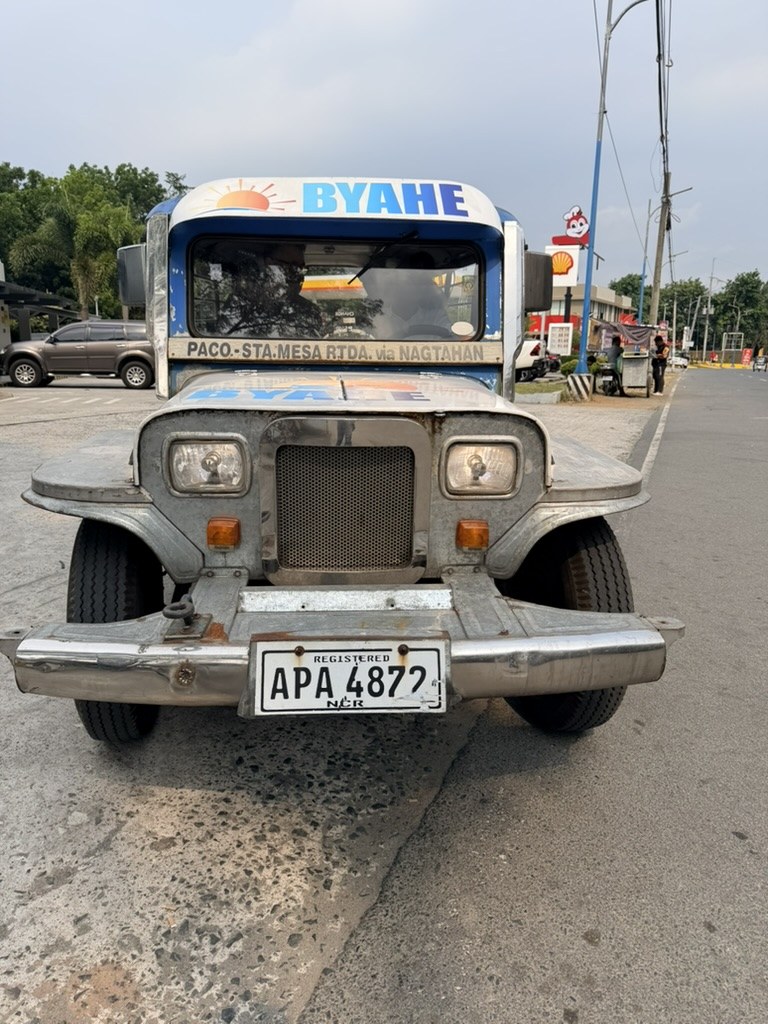
Converting the Philippine jeepney fleet to electric
The Philippines has around 300,000 traditional jeepneys burning about US$1.1 billion of imported fuel a year. Replacing them outright would cost US$10 billion and take more than twenty-five years at the current pace, because a new electric unit costs about US$40,000 and never repays on jeepney fares.
We convert the vehicle instead — giving it an extended life, exactly as the industry has long done with power stations rather than demolishing and rebuilding them. Certified electric conversion at roughly US$13,000–20,000 against US$40,000 for a new unit — the national programme is modelled at US$18,000 — paid for out of the diesel it stops burning, repaying itself in three to four years. The proposal is to convert 20,000 as proof of concept, then scale nationally.
We turn ideas into infrastructure on the ground
Our team has taken concepts all the way to built infrastructure, and everything in between. Most engagements start at one point on that path and move along it.
Project development
Concept, feasibility, stakeholder mapping and local approvals — turning an idea into something a funder can assess.
Capital raising
Development banks, climate funds, concessional windows and private investors. Documentation through to close.
Procurement & delivery
Modality design, bidding documents, evaluation support, safeguards and implementation oversight.
Independent review
Technical and commercial review for boards, funds and lenders who need a second opinion from someone who has done the work.
Energy Transition Package
For governments with a net zero commitment: a renewable roadmap, an honest read on the regulatory framework, incentive design that has worked elsewhere, and a route to climate finance.
Insight
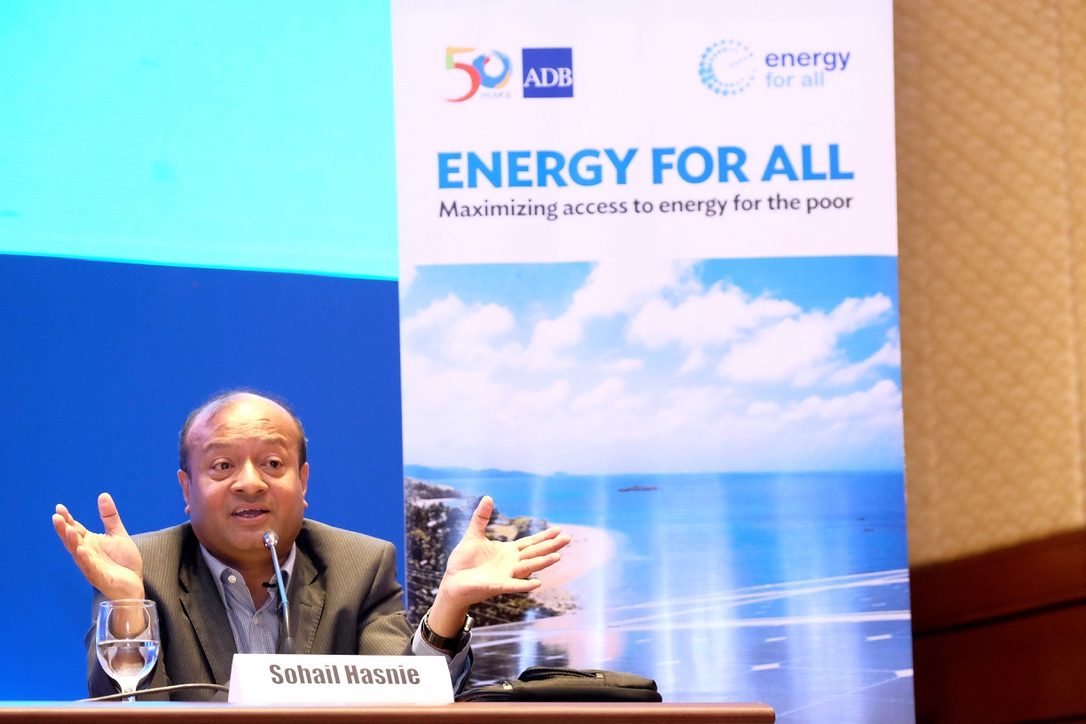
More than three hundred and forty conversations with the people building Asia's energy transition
Since 2020, Sohail Hasnie has hosted Energypreneurs — a continuing series of interviews with the founders, financiers, engineers and officials actually delivering projects across the region. It is not marketing. It is how we stay current on markets that change faster than any research subscription can track.
Have a project that has stalled on the funding route?
Tell us what stage you are at and what is blocking you. If we are not the right people for it, we will say so and point you at someone who is.