Track record
What our people have built
Our experience runs from Central Asia in the west to the Pacific islands in the east, covering Indonesia, the Philippines, Thailand, Bangladesh, India and the wider South Asian region in between — across developed and developing member countries of the Asian Development Bank.
How to read this page. The projects below were led or supervised by members of our team in their prior roles — principally at the Asian Development Bank, where our founder served as a Principal Energy Specialist. They are presented as evidence of the experience we bring, not as engagements delivered by Energypreneurs Advisory Pty Ltd. For the firm's own current mandates, see Current Work.
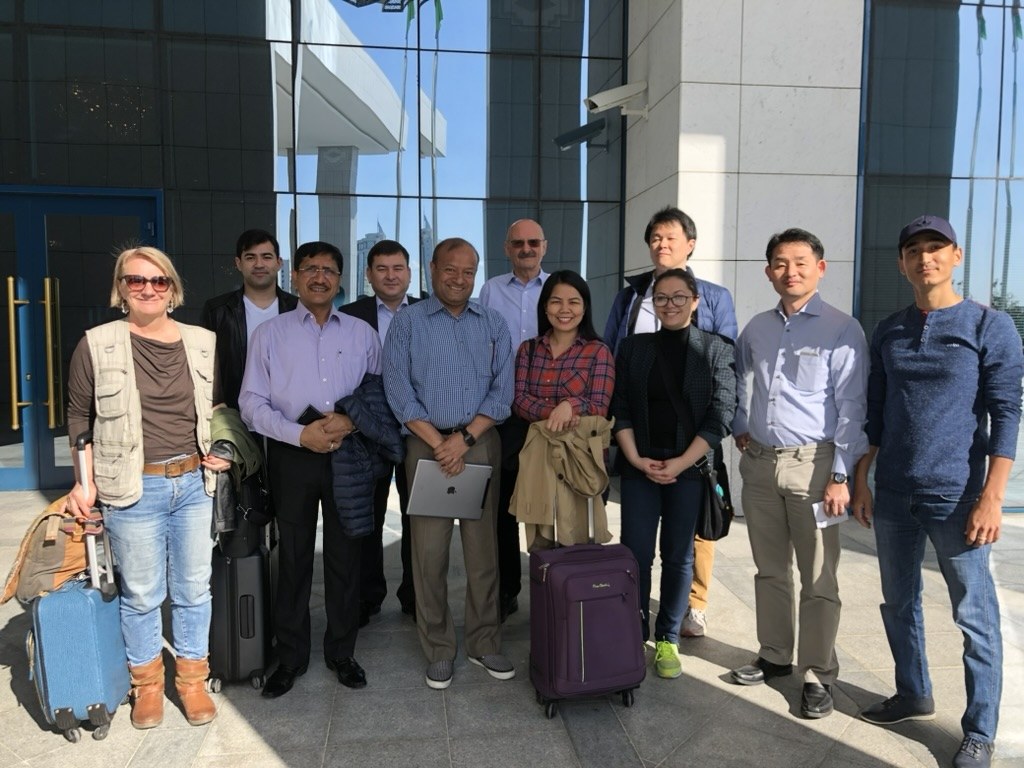
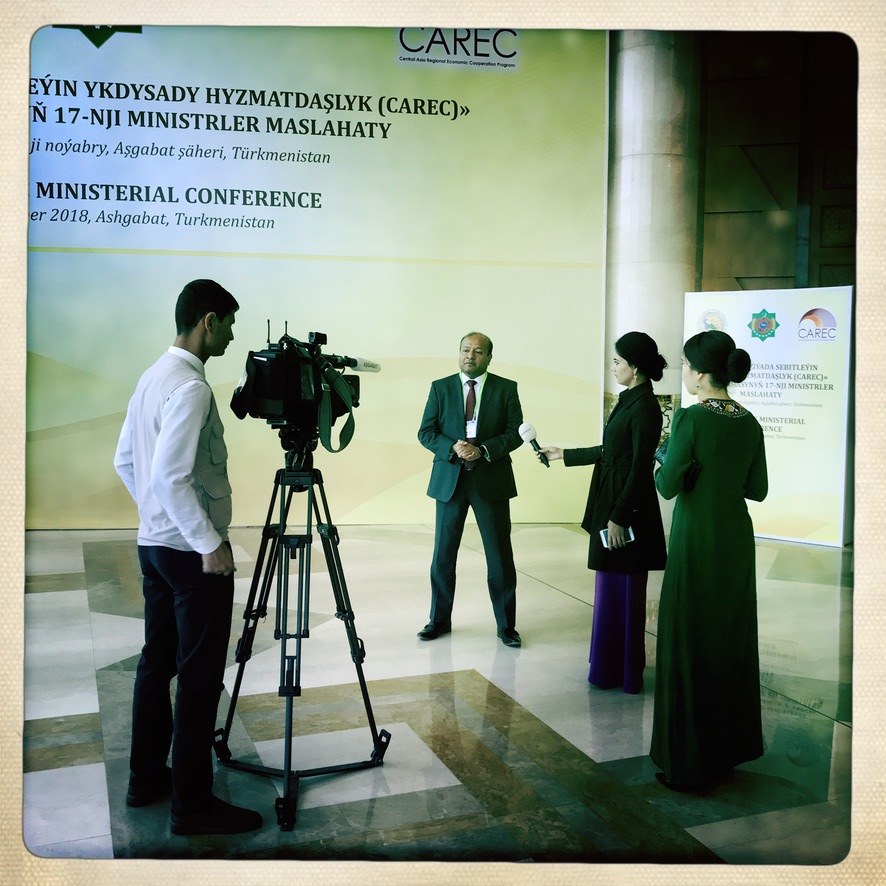
National Power Grid Strengthening
Construction of approximately 1,100 kilometres of new transmission line, four new substations and the expansion of three existing ones, across four of Turkmenistan's five regions. The programme targeted domestic supply reliability and the country's capacity to export electricity.
Project 49370-002. Our founder is named in the Board document as team leader.



Uch-Kurgan Hydropower Plant Modernisation
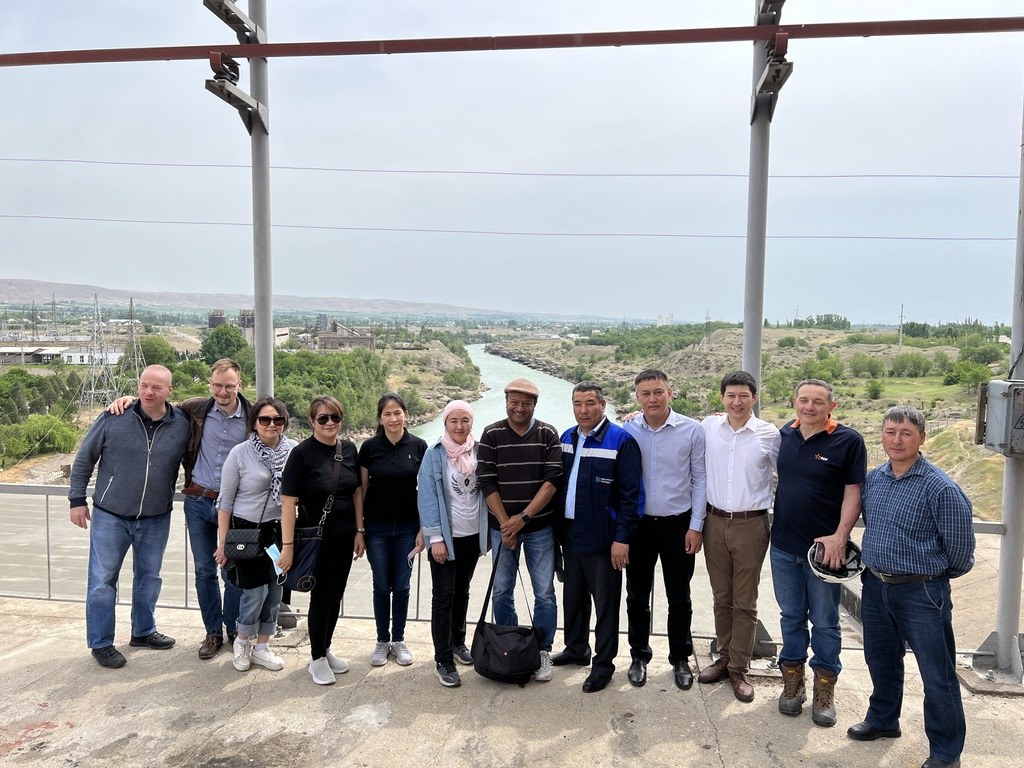
Modernisation and rehabilitation of plant infrastructure and equipment, raising installed capacity from 180 MW to 216 MW while improving regional supply reliability and the efficient use of existing hydroelectric resources.


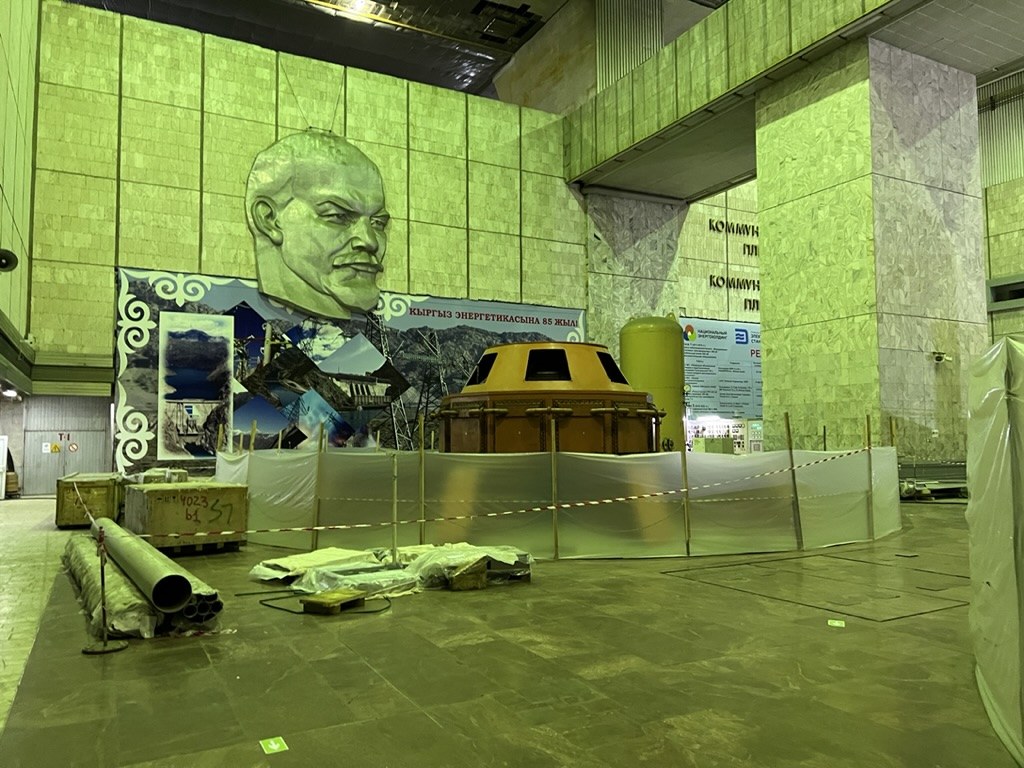
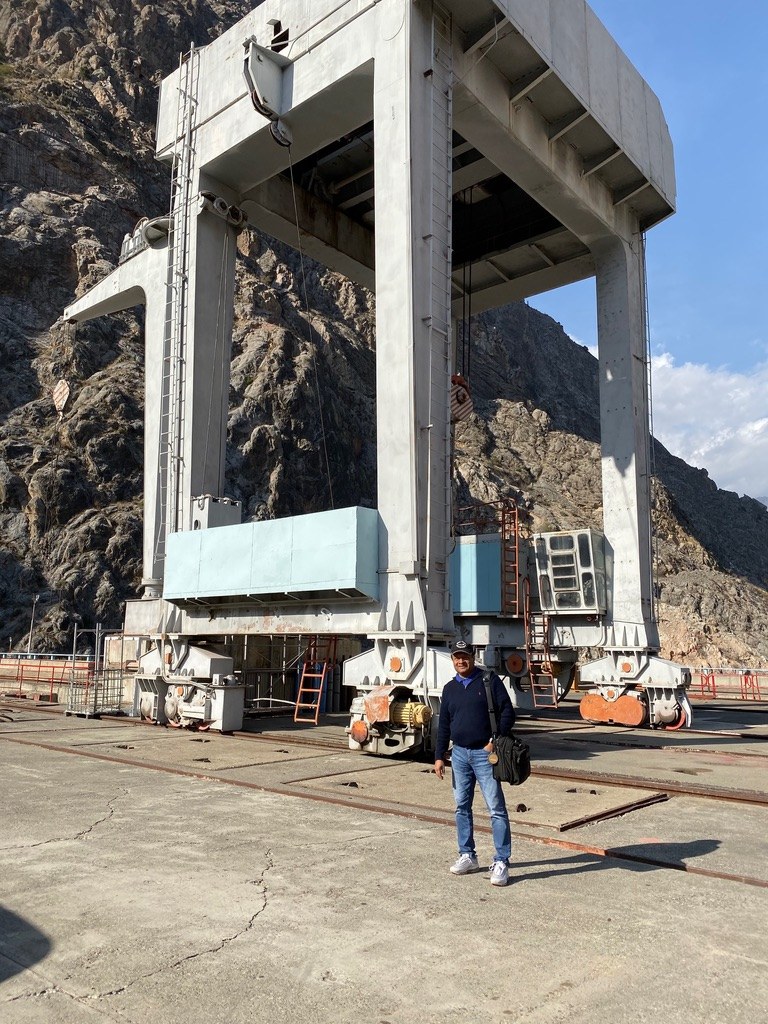
Toktogul Hydropower Rehabilitation, Phases 2 and 3
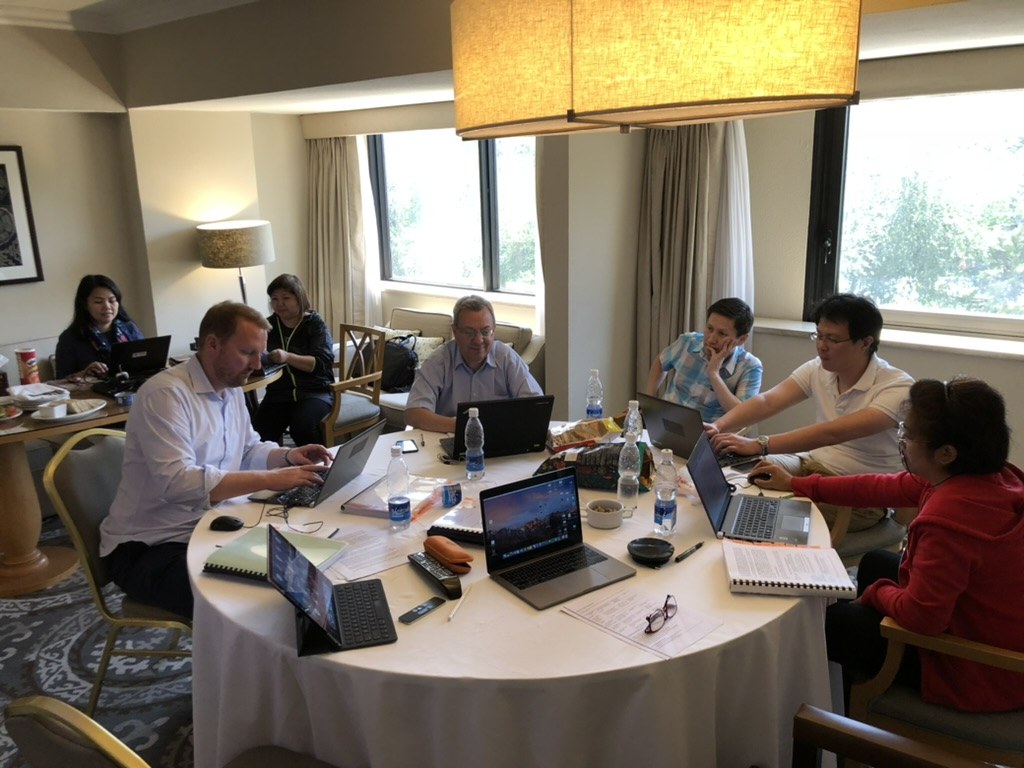
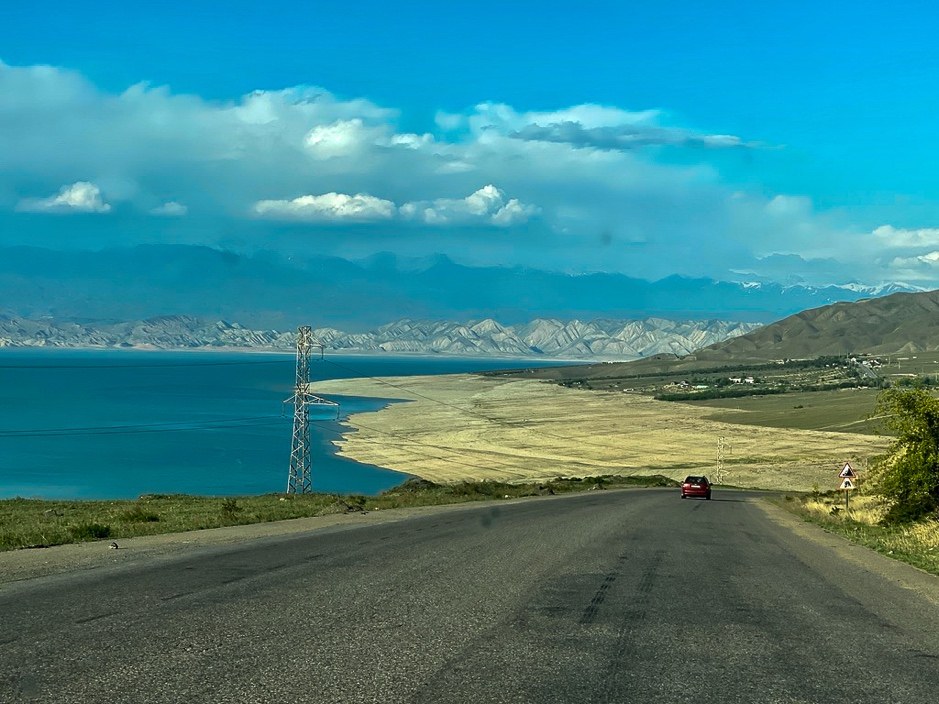
Modernisation of the country's largest power plant — a 1,200 MW station built in the early 1970s that has supplied more than thirty per cent of the Kyrgyz Republic's electricity ever since, and keeps the country in heat and light through the winter. Rehabilitation of turbine and generator units increased output and efficiency and materially reinforced national energy security and regional power system stability.
Around US$100 million saved by combining two procurements. Phases 2 and 3 were conventionally separate packages. Merging them into a single procurement delivered the same scope for roughly US$100 million less — the kind of saving that comes from procurement design rather than from engineering, and the reason we treat procurement as a discipline in its own right rather than paperwork at the end.
The Devex column, published 28 October 2015, was written during this work — it sets out the risk the team took to get the result.



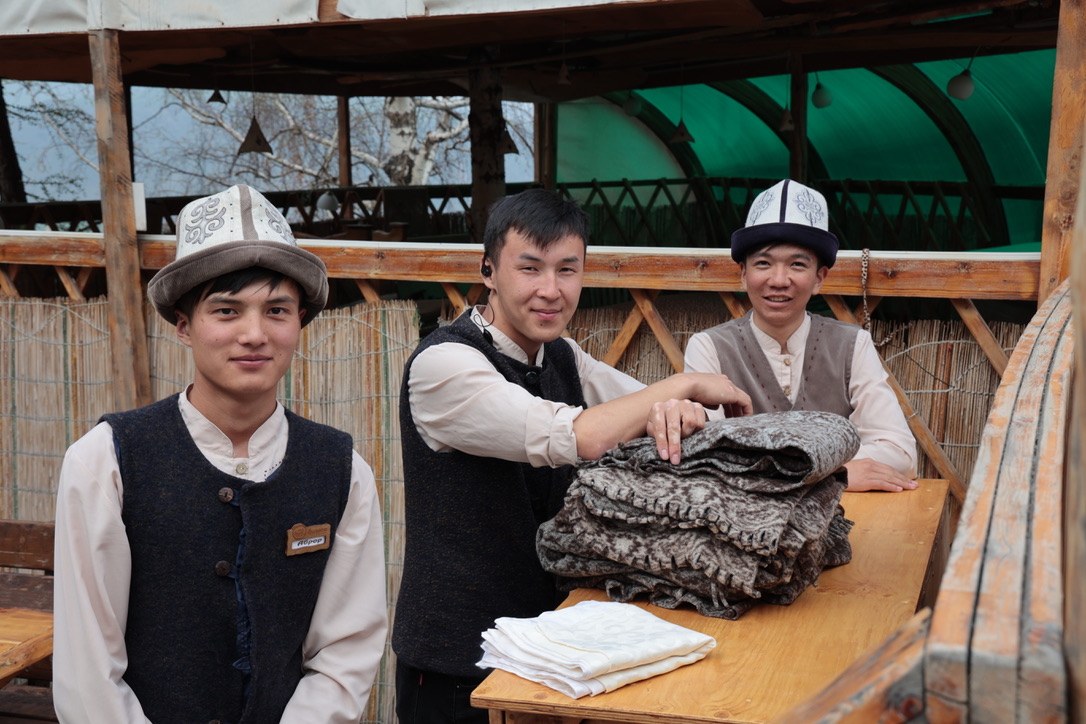
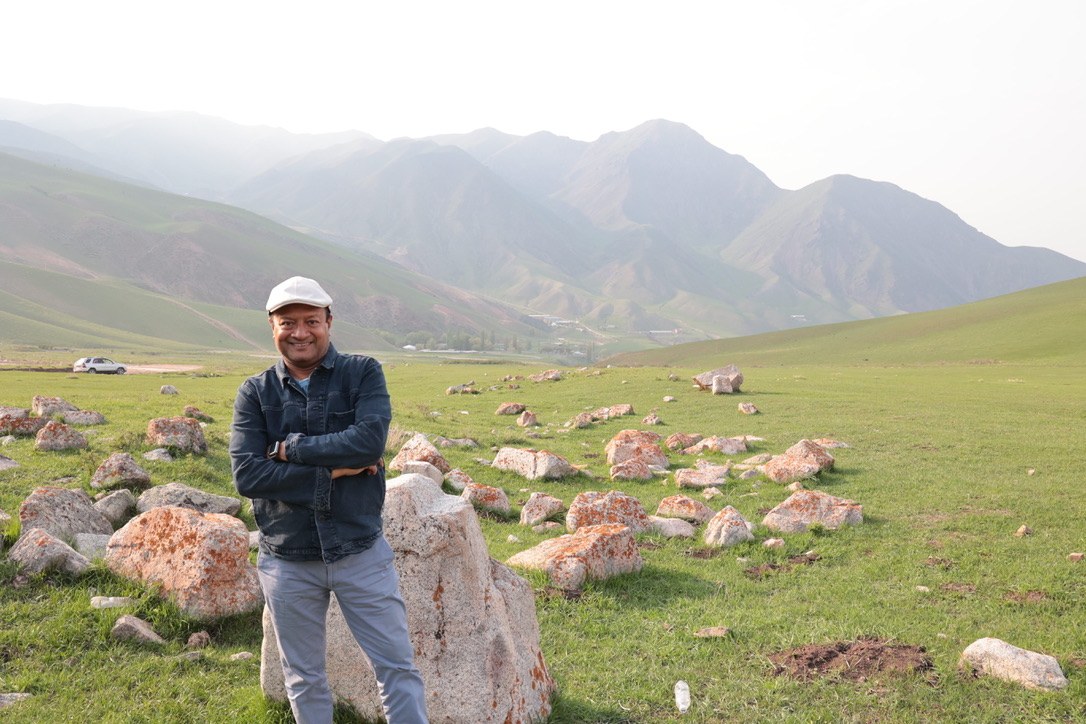
Kyrgyz faces
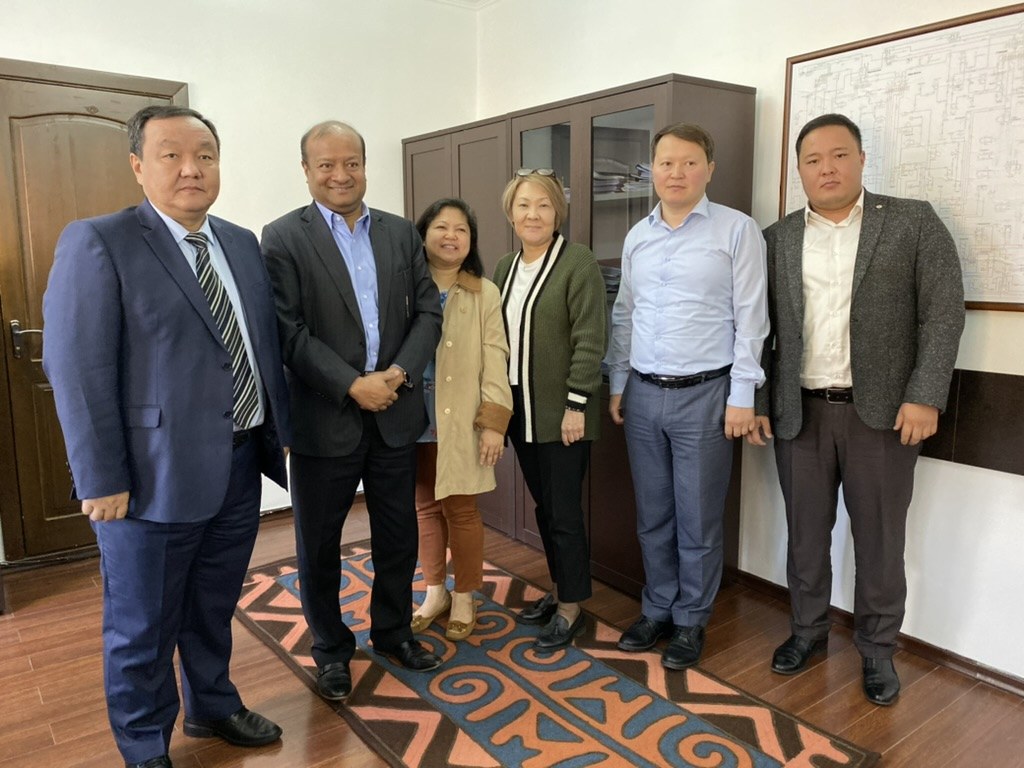
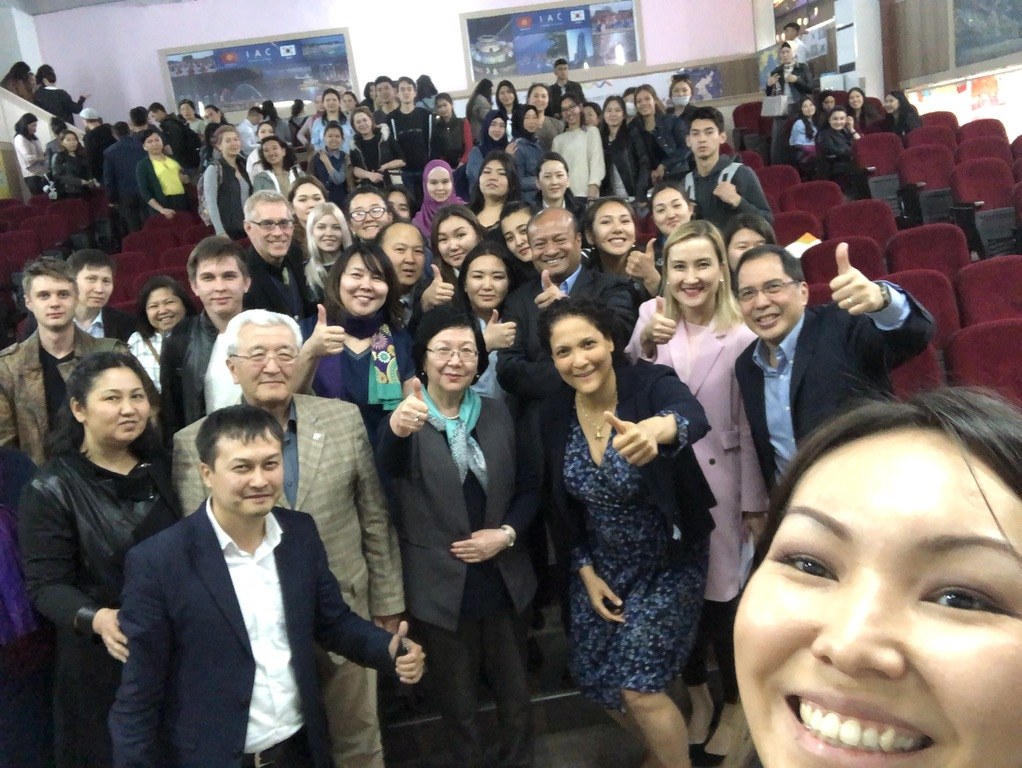
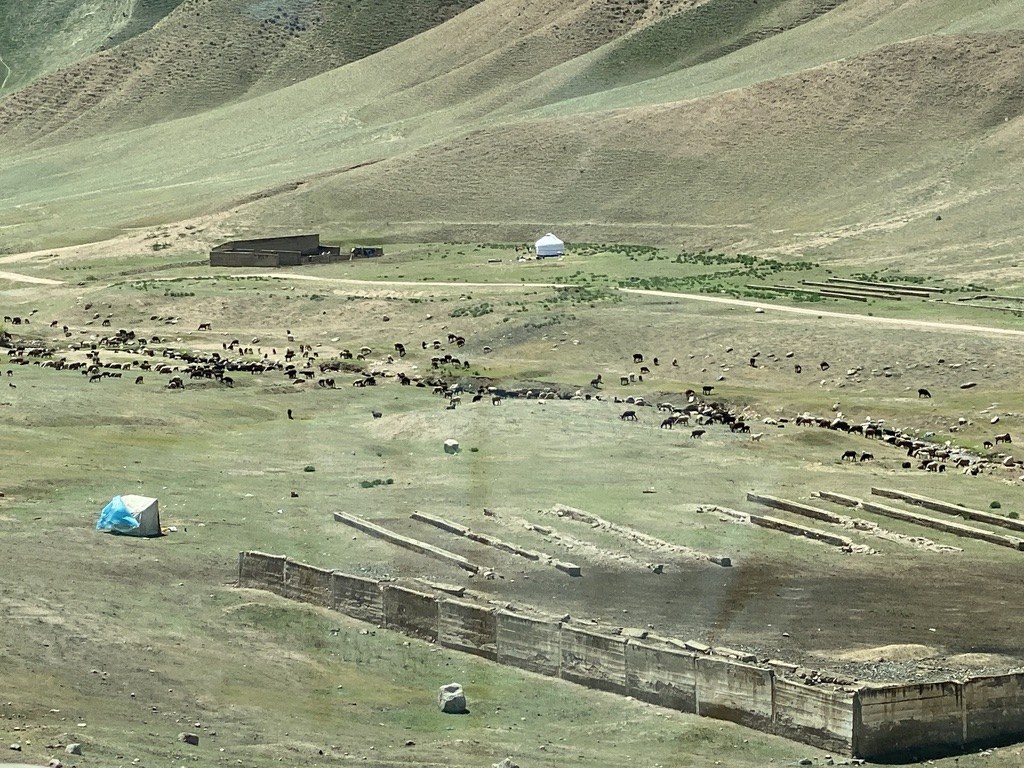
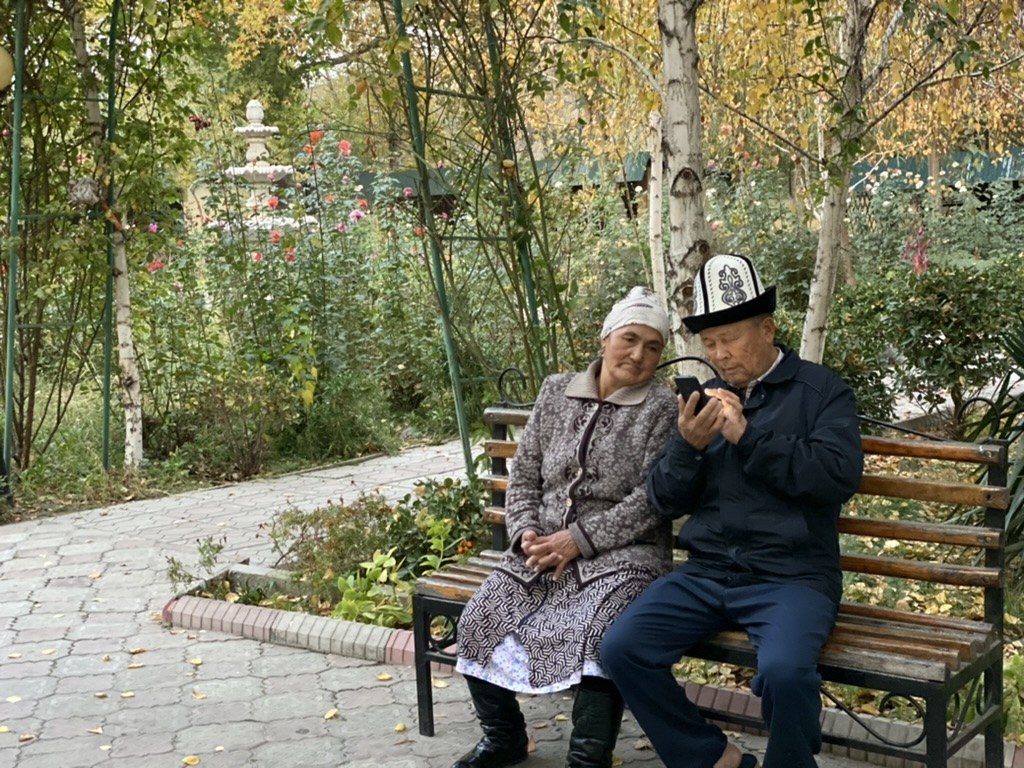
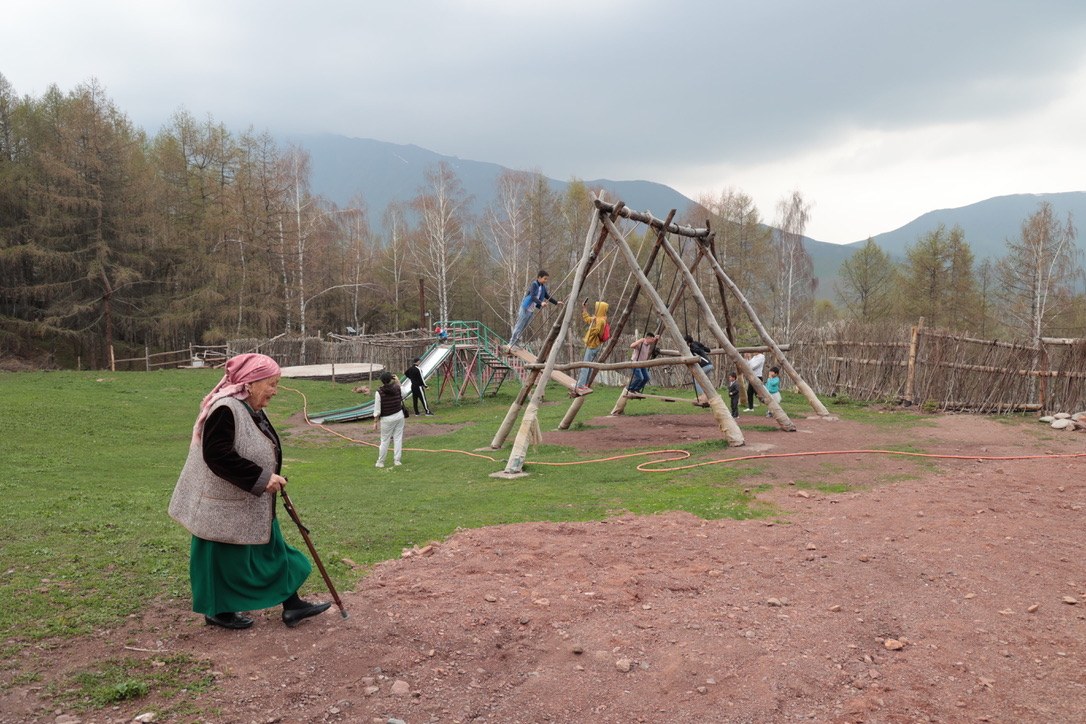
Two power stations, several hundred million dollars and a great deal of procurement paperwork. This is who it was for. A hydropower plant is not really an engineering project — it is a promise that the lights and the heating will work through a Central Asian winter, kept or broken.
West Kalimantan–Sarawak Cross-Border Transmission
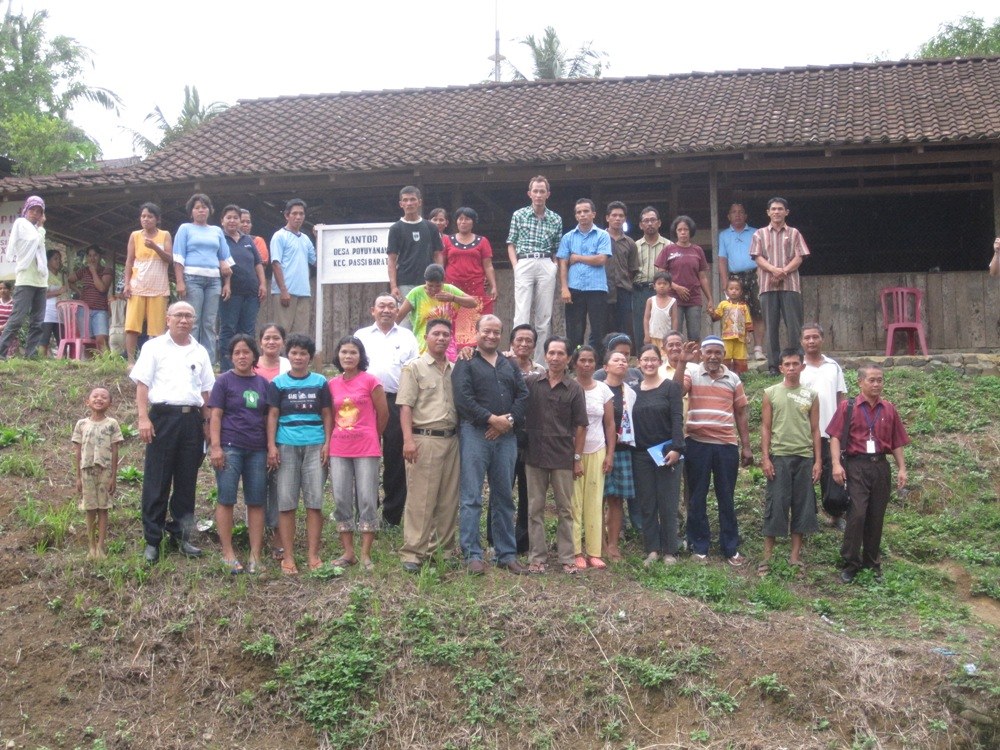
A new transmission line and substations reducing West Kalimantan's reliance on oil-based generation and lowering operating costs. The project established cross-border electricity exchange with Malaysia and extended grid access to local communities.


Java–Bali Electricity Distribution Performance Improvement
Efficiency and reliability improvements across the Java and Bali distribution network, cutting distribution losses, reducing annual CO2 emissions and connecting additional customers in two of the most densely populated regions in Asia.


Market Transformation through Energy-Efficient Electric Vehicles
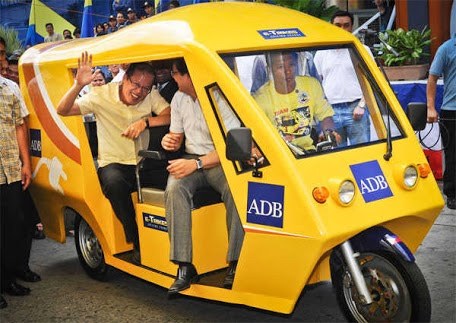
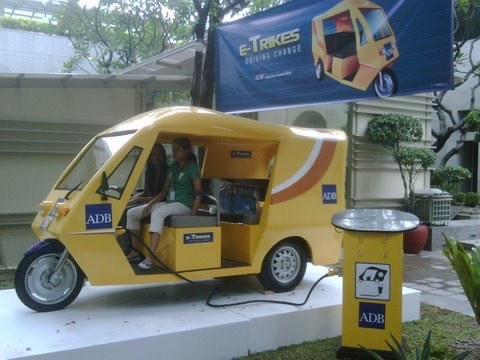
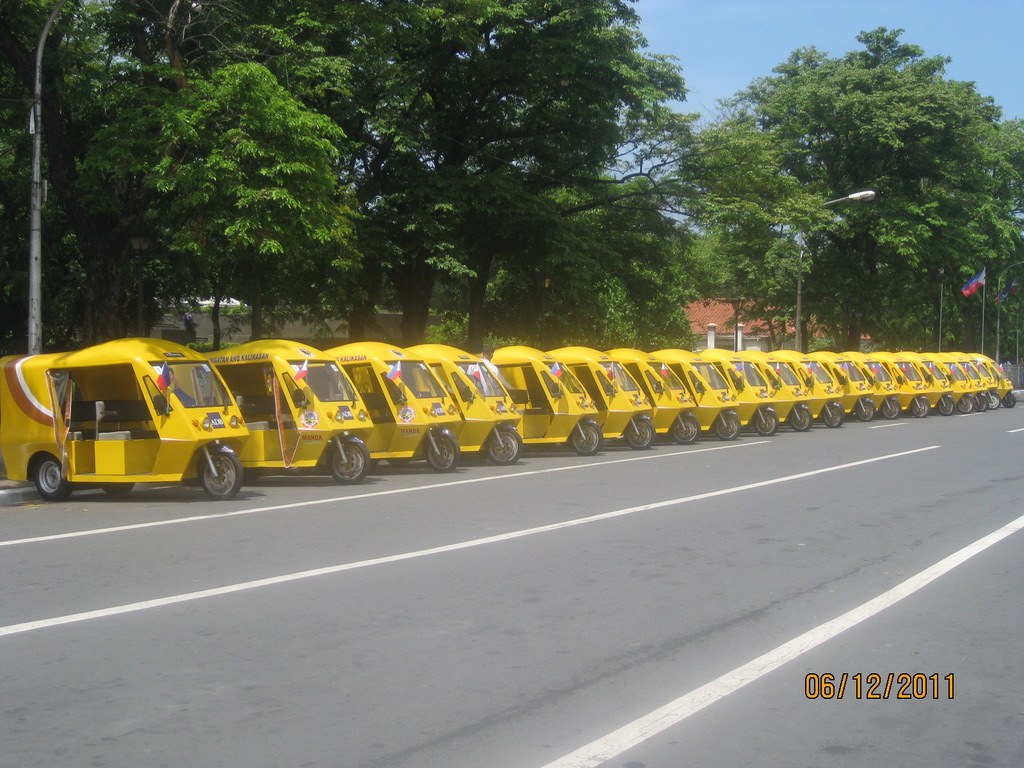
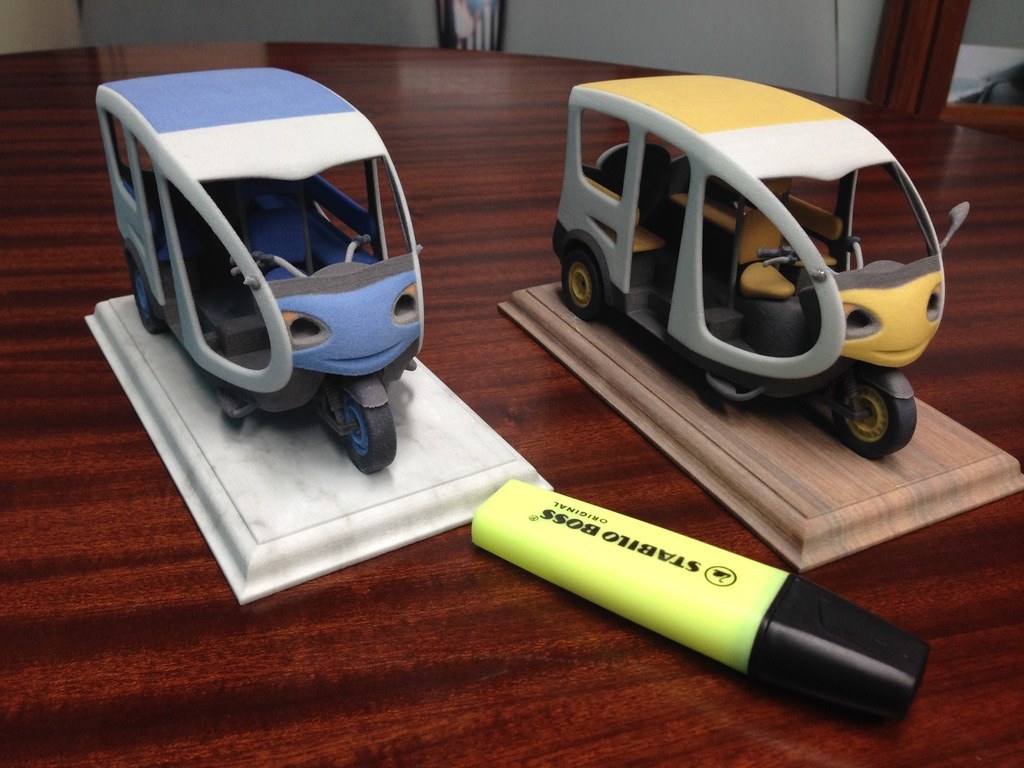
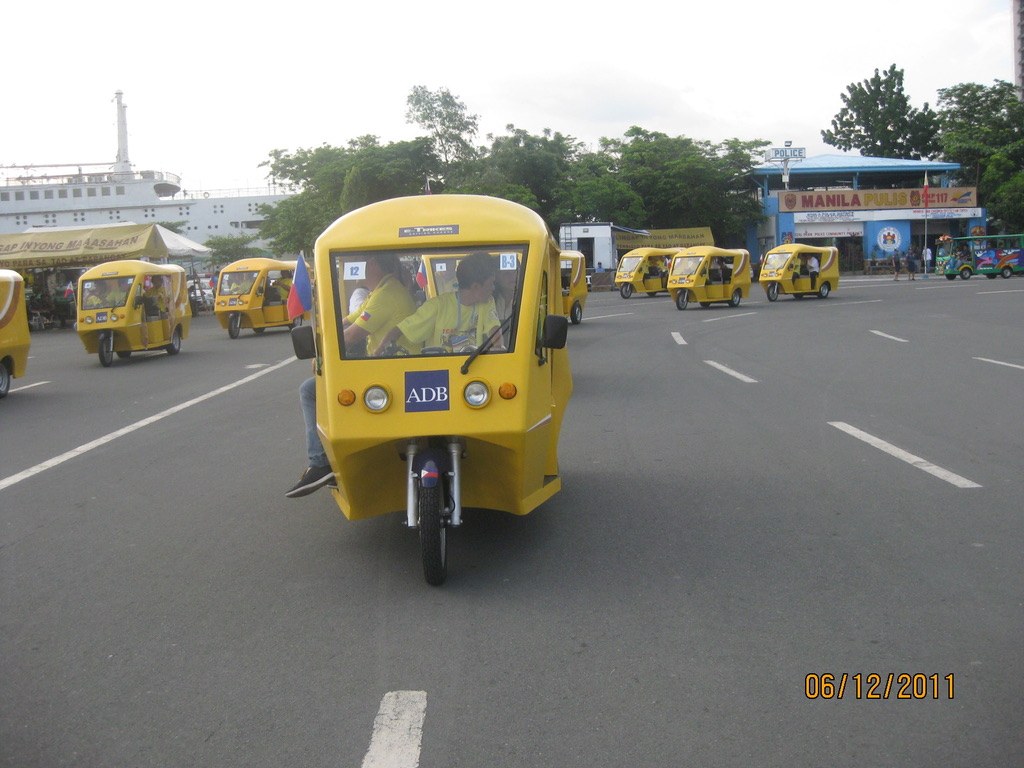
The first public sector electric vehicle project anywhere. Approved by the ADB Board on 11 December 2012 with the Department of Energy as executing agency, it set out to replace the Philippines' two-stroke tricycles — the smoke-belching sidecar motorcycles that carry more passengers than any other vehicle class in the country — with purpose-built electric tricycles.
Financing combined a US$300 million ADB ordinary capital loan, a US$100 million Clean Technology Fund loan and a US$5 million CTF grant, alongside US$99 million of government counterpart funding. Nothing of this shape had been attempted by a development bank before: no public sector EV programme existed to copy, and the lithium battery, the charging model and the driver financing all had to be argued from first principles.
Project 43207-013.



Philippine Energy Efficiency Project
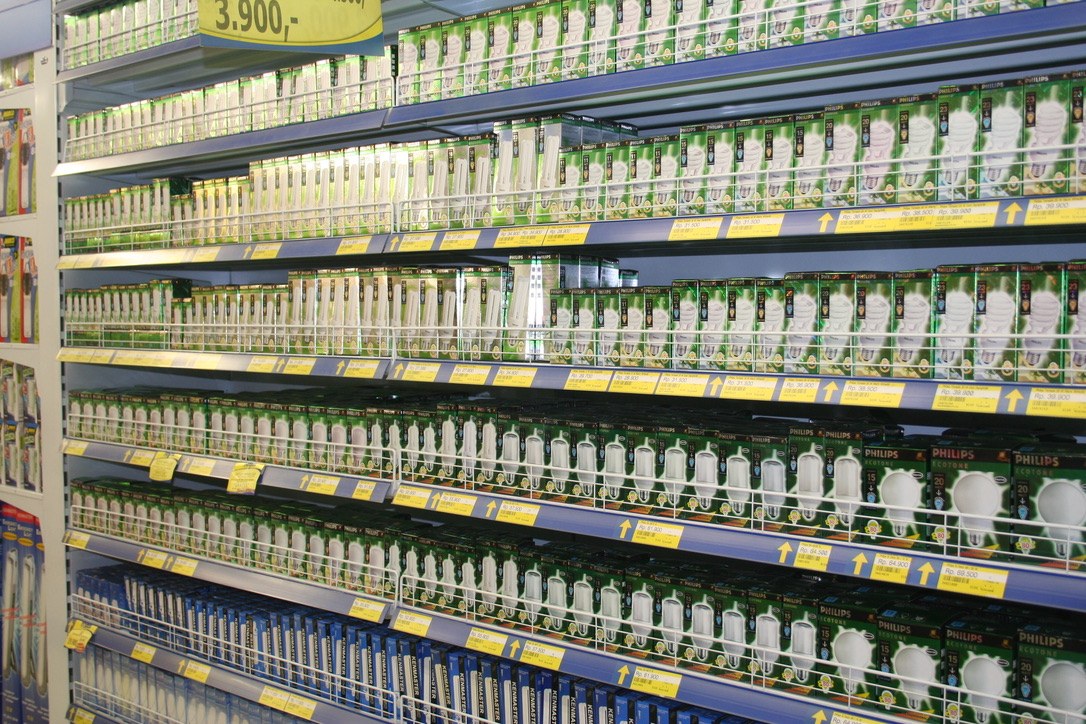
Retrofitting of government buildings with efficient lighting, distribution of 13 million compact fluorescent lamps, and establishment of a super energy service company to carry the work forward. The project reduced peak demand and set the template for subsequent national efficiency programmes.

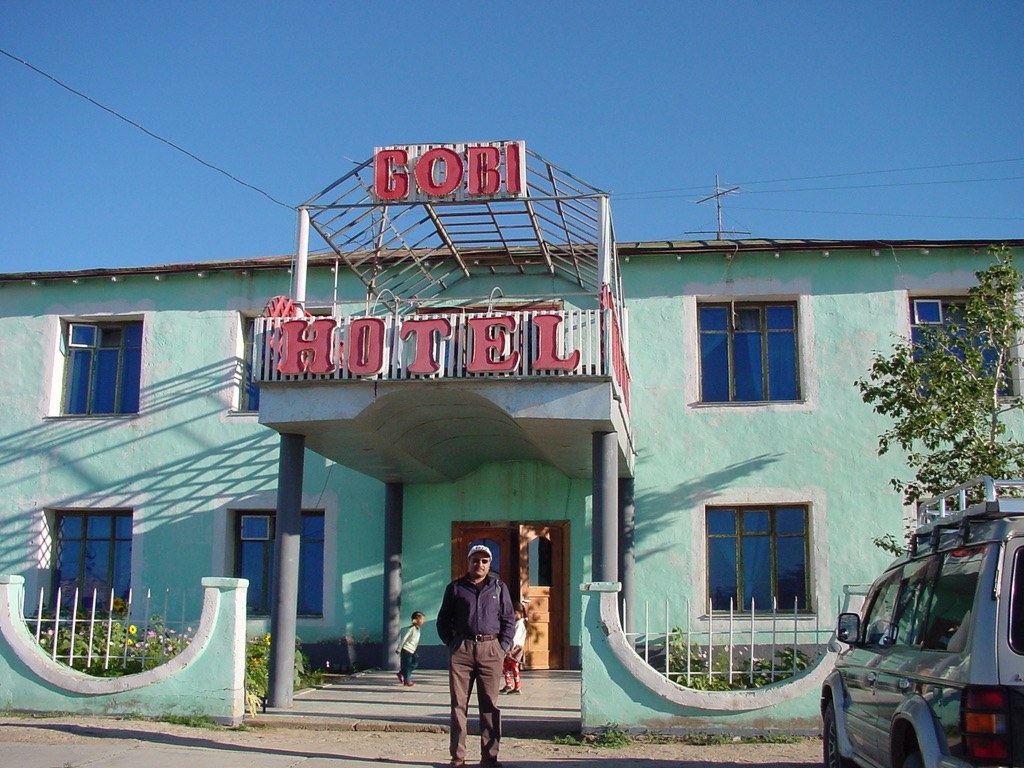
Off-grid solar for herder households
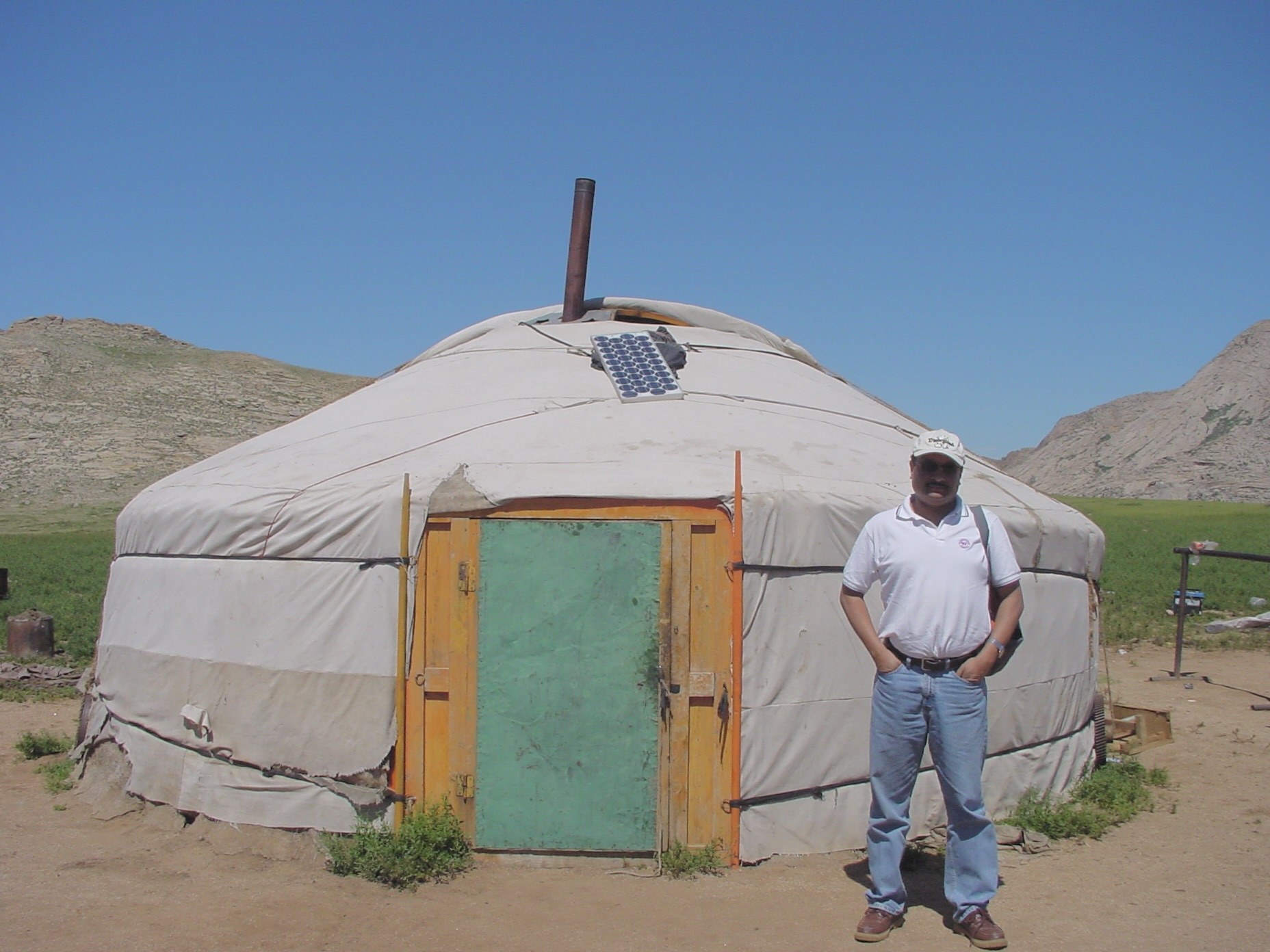
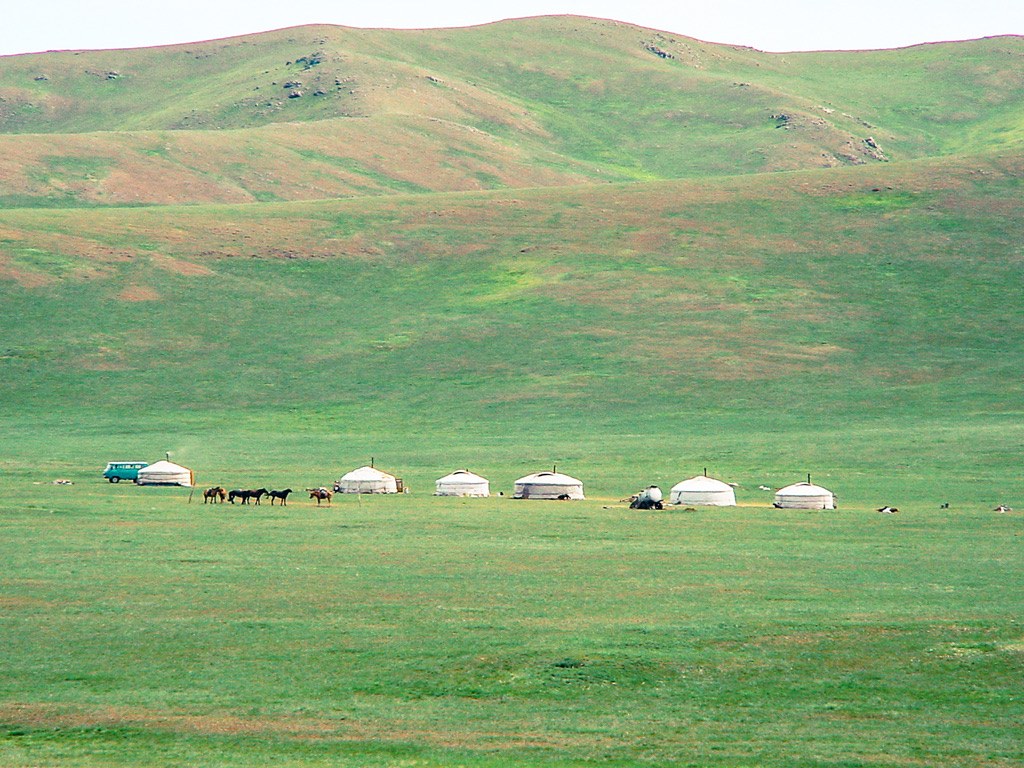
Solar home systems for nomadic herder families living far beyond any grid that would ever reach them. Mongolia is the hardest version of the distribution problem: a small population spread across a vast country, moving with the seasons, in a climate that punishes anything fragile. Extending a wire to a household that will not be there next month is not an option.
A panel on the roof of the ger is. It is also, in retrospect, the origin of everything else on this site — the same argument as Electricity in a Box, balcony solar and household batteries, made twenty-five years earlier with the equipment of the time.
Establishing the State Electricity Regulatory Commission
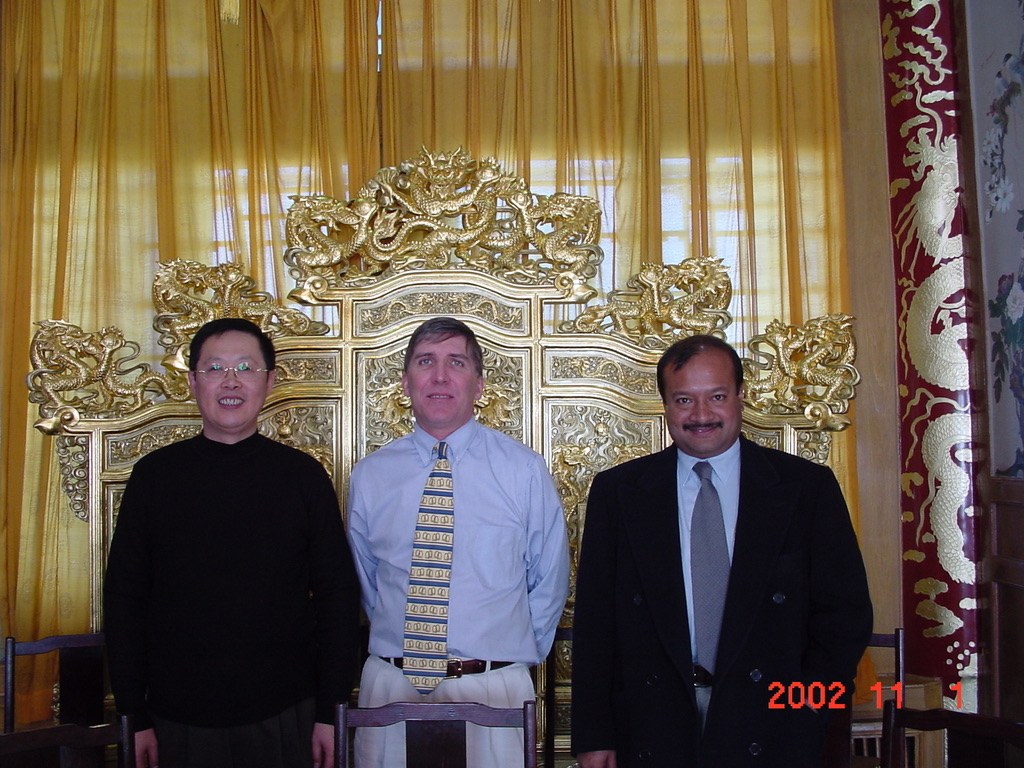
Advisory work on the regulatory framework for China's newly created State Electricity Regulatory Commission — the institution that would oversee the unbundling of the State Power Corporation and the introduction of independent regulation to the world's largest electricity system.
The relevance to what we do now is direct. Almost every market we work in is somewhere on the same path: separating the regulator from the operator, writing tariff rules that survive political pressure, and building an institution that investors can read. We have done that work from the inside.
Power Grid Transmission
Enhancement of transmission lines and substations across the national grid, reducing losses and relieving bottlenecks in the interregional transfer of power.
Coal Mine Methane Development
Capture of methane from coal mines for power generation, including a 120 MW plant fuelled by recovered methane. The project improved mine safety and cut greenhouse gas emissions, and was an early demonstration of methane recovery at this scale.
Gansu Clean Energy Development
Construction of the 98 MW Xiaogushan hydropower plant and upgrading of power supply to three rural townships, combining clean generation capacity with rural electrification and poverty reduction objectives.
Reference conversations
For serious enquiries we can arrange direct conversations with counterparties from the programmes above and from current mandates.